
How Much Does an Interior Designer Cost in New Jersey? A Complete Guide
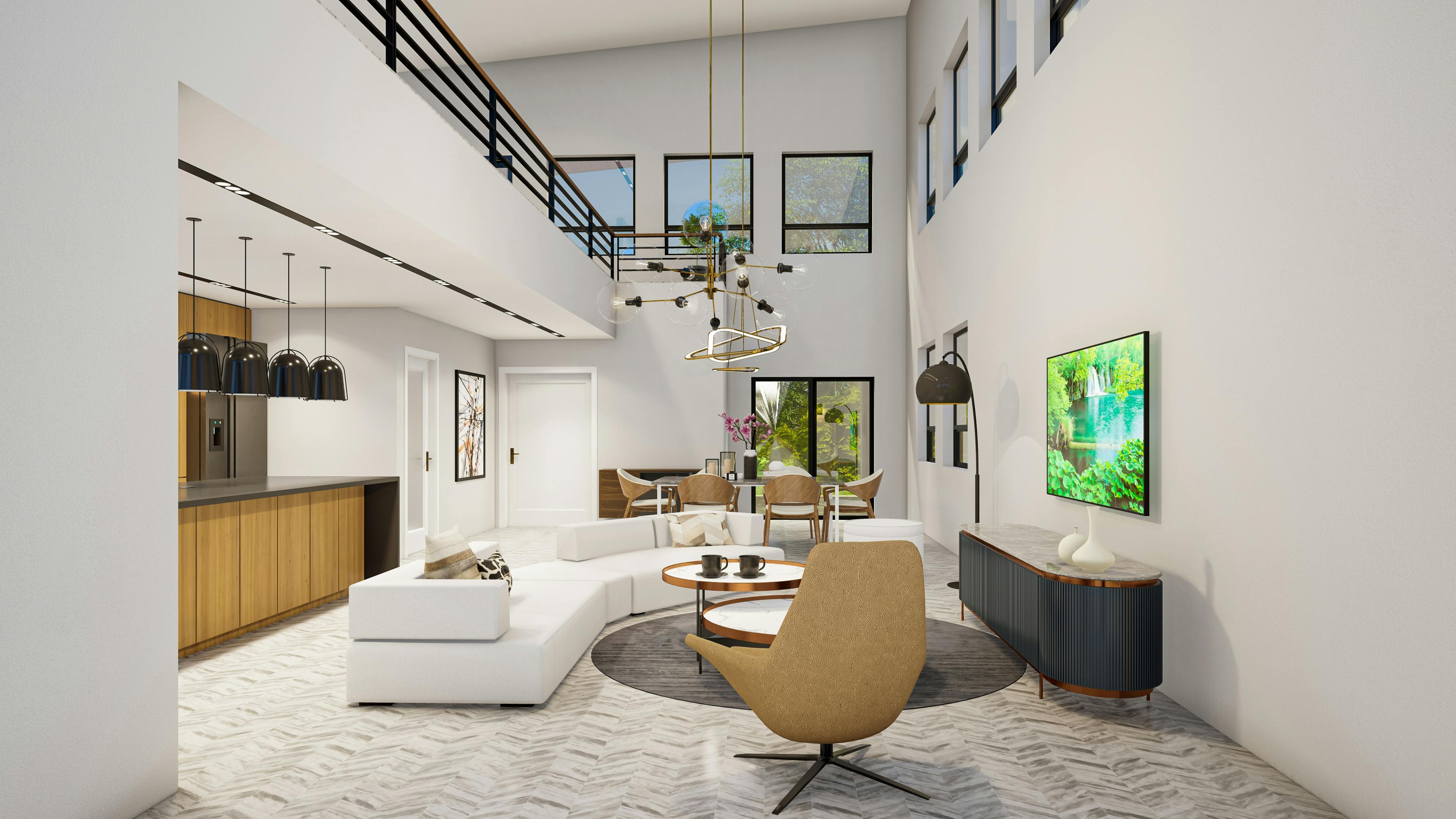
A professional interior designer can help you select furniture, plan room layouts, choose colours, manage materials, and create a home that suits your lifestyle.
However, one of the first questions homeowners ask is: How much does an interior designer cost in New Jersey?
The answer depends on several factors, including the size of your home, number of rooms, designer's experience, services required, and complexity of the project.
Some homeowners need help selecting furniture and decorations, while others require complete interior planning for kitchens, bathrooms, living rooms, or entire homes. Each project has different requirements and costs.
This guide explains typical interior design pricing in New Jersey, common pricing methods, factors that affect costs, and practical ways to plan your budget before hiring a professional.
1. Average Interior Designer Cost in New Jersey
Interior design fees in New Jersey vary according to the designer, location, and project requirements. A small decorating project generally costs less than a complete home renovation involving furniture selection, detailed drawings, material planning, and project supervision.
Here are some general pricing estimates to help homeowners plan their budgets.
Pricing Method
Estimated Cost
Hourly design services
$100 to $200+
Per square foot
$5 to $17
Flat project fee
$2,000 to $12,000+
Percentage of project cost
10% to 30%
Consultation and design visuals
$200 to $3,000
These are general planning estimates, not fixed prices. Actual costs depend on the designer, project size, and services included.
For example, a homeowner who needs help selecting furniture and colours for one living room may have a smaller design fee than someone planning a complete kitchen renovation and redesigning several rooms.
The best approach is to request a written estimate based on your actual requirements.
2. Different Ways Interior Designers Charge in New Jersey
Before hiring a professional, it is important to understand how interior designers calculate their fees. Knowing the pricing structure makes it easier to compare proposals and avoid unexpected expenses.
Hourly Pricing
Some interior designers charge according to the number of hours spent working on a project.
This arrangement is useful when you need professional advice but do not require complete project management.
Hourly services may include:
Initial design consultations
Furniture and fabric recommendations
Colour selection
Room layout suggestions
Shopping assistance
Reviewing existing interior arrangements
For example, if a designer charges $120 per hour and spends 10 hours working on your project, the total design fee would be $1,200.
However, ask whether travel time, shopping visits, revisions, and additional consultations are billed separately.
Flat Fee Pricing
A flat fee means the designer charges an agreed amount for a specific set of services.
This option is helpful when you already know what you want and need a clear understanding of the design budget.
A flat fee package might include:
Initial consultation
Space planning
Furniture layout
Colour combinations
2D or 3D design drawings
Material recommendations
For example, a designer may offer a fixed package for a living room or bedroom. The price depends on room size, design requirements, and the number of deliverables.
Always check how many revisions are included and whether implementation support is part of the package.
Per Square Foot Pricing
Some designers calculate their fees according to the total area being designed.
This method is commonly considered for larger homes, apartments, offices, and new construction projects.
For example, if the design fee is $8 per square foot and the area is 1,500 square feet, the estimated design fee would be:
1,500 × $8 = $12,000
Remember that the quoted amount may cover design services only. Furniture, flooring, construction, lighting, and installation may require separate budgets.
Percentage Based Pricing
Some interior designers charge a percentage of the overall project budget.
This method is often used for larger renovations and projects requiring ongoing design involvement.
For example, if your renovation budget is $50,000 and the designer charges 15%, the design fee would be $7,500.
Before agreeing to this arrangement, clarify which expenses are included when calculating the percentage. Ask whether the fee applies to construction, furniture, materials, or the entire project.
3. What Factors Affect Interior Designer Cost in New Jersey?
There is no single price that applies to every home. Several factors influence how much you will pay.
Size of the Property
The size of your home has a direct impact on design requirements.
A small apartment may need basic furniture placement and colour recommendations. A large house may require detailed planning for multiple bedrooms, bathrooms, living areas, kitchens, and storage spaces.
More rooms usually mean more design time, drawings, product selections, and coordination.
Number of Rooms
The number of rooms you want to redesign also affects the total fee.
For example:
One bedroom may require furniture and colour planning.
A living room may need seating arrangements, lighting, carpets, and window treatments.
A kitchen may require cabinet layouts, countertops, storage, and lighting plans.
A complete home may require consistent design planning across every room.
You can reduce unnecessary expenses by prioritising the rooms that need the most attention.
Designer Experience
An experienced interior designer may charge more because of their professional knowledge, portfolio, supplier relationships, and ability to handle complex projects.
However, experience should not be judged by price alone.
Review previous projects, understand the design process, and ask how the designer handles budget planning and communication.
Material and Furniture Selection
The materials you select can significantly change your overall interior design budget.
Custom furniture, imported materials, premium flooring, designer lighting, and specialised window treatments can increase expenses.
On the other hand, ready made furniture, practical fabrics, and locally available materials may help you maintain a reasonable budget.
Project Complexity
A simple room refresh is different from a complete renovation.
Projects involving custom cabinetry, electrical changes, plumbing, structural modifications, and contractor coordination require additional planning.
The more complex the project, the more important it becomes to have a clearly defined scope of work.
4. Interior Design Costs by Room
Every room has different design requirements. Understanding these differences can help you decide where to allocate your money.
The following are illustrative planning budgets for design fees, not contractor or construction quotations.
Living Room
A living room is often one of the most frequently used spaces in a home. Its design may involve furniture placement, sofa selection, lighting, wall colours, carpets, curtains, and decorative accessories.
A basic design consultation may be sufficient if you already own most of your furniture. A complete redesign requires more time and planning.
Bedroom
Bedroom design focuses on comfort, storage, lighting, and personal preferences.
Common design requirements include:
Bed and wardrobe placement
Bedside furniture
Lighting arrangements
Curtains and fabrics
Wall colours and finishes
Storage planning
A well planned bedroom should look attractive while providing enough space for everyday activities.
Kitchen
Kitchen design can involve more detailed planning than a simple decorating project.
Cabinet arrangements, countertops, appliances, storage, flooring, and lighting all need to work together.
If you are renovating an existing kitchen, discuss the required drawings, material specifications, and coordination with contractors before finalising the design fee.
Bathroom
Bathroom design requires careful consideration of space, lighting, fixtures, storage, and moisture resistant materials.
If plumbing or electrical work is involved, the project may require additional professionals and approvals.
Home Office
With more people working remotely, a comfortable home office has become important.
A designer can help arrange the desk, storage, lighting, seating, and background while making sure the room remains practical.
5. How to Plan Your Interior Design Budget
A well planned budget helps you make better decisions and prevents unnecessary spending during the project.
Here are some practical steps to follow.
Step 1: Decide Which Rooms Need Attention
Start by identifying the rooms that need professional design assistance. You do not have to redesign your entire home at once.
For example, you can begin with the living room and kitchen before moving to bedrooms or other spaces.
Step 2: Set a Separate Design and Furniture Budget
One common budgeting mistake is treating the designer's fee and the total project cost as the same thing.
Your budget should account for different expenses:
Expense
What It Covers
Design fees
Consultation, drawings and planning
Furniture
Sofas, beds, tables and chairs
Materials
Flooring, tiles and fabrics
Lighting
Ceiling lights, lamps and fixtures
Window treatments
Curtains, blinds and shades
Labour
Installation and renovation work
Additional expenses
Delivery, taxes and contingency
Keeping these expenses separate makes it easier to understand where your money is going.
Step 3: Prioritise Essential Items
Not every design element needs to be expensive.
Spend more on items that affect everyday comfort and long term use, such as good quality sofas, mattresses, kitchen cabinets, and flooring.
Decorative accessories can be selected later when the main design is complete.
Step 4: Keep Some Money for Unexpected Expenses
Renovation projects can involve unexpected costs, particularly when working with older properties.
You may need additional repairs, replacement materials, or changes to the original plan.
Keeping around 10% to 15% of your overall project budget aside as a contingency is a sensible planning approach.
6. How to Reduce Interior Design Costs Without Compromising Quality
Hiring an interior designer does not mean you have to spend beyond your financial limits. With proper planning, you can achieve a comfortable and attractive home while controlling expenses.
Consider these suggestions.
1. Reuse Existing Furniture
Before purchasing new furniture, check whether your existing pieces can be used in the redesigned space. A different arrangement or new upholstery may be enough.
2. Choose Practical Materials
Premium materials are not always necessary for every part of your home. Compare different flooring, fabric, countertop, and lighting options before making a purchase.
3. Plan Before Buying
Avoid purchasing furniture without checking room measurements. A professional layout can help prevent expensive mistakes involving furniture that does not fit properly.
4. Focus on One Room at a Time
If your budget is limited, divide the project into smaller stages. Complete essential rooms first and plan the remaining work according to your finances.
5. Understand the Service Package
Some designers offer consultation and drawing packages, while others provide detailed design services and project supervision.
Choose the package that matches your actual requirements rather than paying for services you may not need.
For more practical ideas, read our guide on 10 Things Homeowners Should Consider Before Hiring an Interior Designer in New Jersey.
7. What Should Be Included in an Interior Designer's Package?
Before selecting a designer, ask exactly what you will receive for the quoted fee.
A professional design package may include several stages.
Initial Consultation
The designer understands your requirements, lifestyle, preferred style, available space, and budget.
Space Planning and Layout Drawings
Room measurements, furniture placement, and layout options are prepared to help you understand how the space will function.
Learn more about Space Planning and Layout Drawing Services.
3D Design and Visualization
Three dimensional views help homeowners understand the proposed design before purchasing furniture or beginning renovation work.
Furniture and Fabric Selection
The designer recommends furniture, curtains, carpets, fabrics, and other materials that match the design concept.
Budget Planning
A detailed list of expected purchases and material requirements helps homeowners make decisions within their available budget.
Project Supervision
Depending on the agreement, the designer may assist with vendor selection, site visits, installation, and execution.
Remember that not every designer includes all these services in the basic package. Always request a written breakdown.
8. How to Choose the Right Interior Designer in New Jersey
Price is important, but it should not be the only factor when choosing an interior design professional.
A lower quotation may not include important services, while a higher quotation may cover detailed drawings, product selection, and supervision.
Here are a few things to check before making your decision.
Review previous projects: Look at completed residential and commercial interiors.
Understand their experience: Ask whether they have handled projects similar to yours.
Discuss your budget: A good designer should understand your financial limits.
Check communication: Make sure you can comfortably share your ideas and concerns.
Review the contract: Check fees, deliverables, revisions, payment schedules, and additional charges.
Ask about execution: Find out whether the designer offers supervision or only provides design drawings.
You can also read our related guide on How to Choose the Right Interior Designer in West Windsor, NJ.
9. Why Consider Decor Design Services for Your New Jersey Home?
Choosing an interior designer is about finding someone who understands your space, personal preferences, and budget.
The company provides interior design assistance for homeowners and businesses across New Jersey.
Its services include:
Space planning and layout drawings
Design rationale and color selection
Furniture and fabric selection
Budget planning
Project supervision
Residential and commercial interior design
The company offers different design packages based on project requirements.
Drawing Package: Includes consultation, layout drawings with dimensions, multiple layout options, and 3D design views.
Detail Design Package: Includes the drawing package along with furniture lists, fabric details, color themes, flooring recommendations, lighting selections, and site or store visits.
Supervision Package: Includes detailed design assistance, vendor recommendations, supervision during execution, home staging, mood boards, and site visits.
Decor Design Services is led by Neha Bansu, who has around 20 years of interior design experience, including space planning, architectural layouts, furniture arrangements, home staging, and detailed drawings.
The right package depends on how much assistance you need. You can discuss your project requirements before deciding which services are suitable.
10. Questions to Ask Before Hiring an Interior Designer
Before signing an agreement, ask these questions to understand the complete cost.
What is included in your design fee?
Do you charge hourly, per room, or a fixed project fee?
Are 2D and 3D drawings included?
How many design revisions are allowed?
Are furniture and material costs included?
Do you provide shopping and vendor assistance?
Is project supervision available?
Are travel and site visit charges separate?
What happens if the project requirements change?
Can you provide a written quotation?
These questions will help you compare different designers fairly and understand the actual value of their services.
11. Frequently Asked Questions About Interior Designer Costs in New Jersey
1. How much does an interior designer cost in New Jersey?
The cost depends on the project size, designer's experience, and services required. Some designers charge hourly, while others offer fixed project fees or percentage based pricing. Complete projects generally require a larger budget than individual room consultations.
2. Is hiring an interior designer worth the money?
Yes, hiring an interior designer can be worthwhile if you want professional space planning, coordinated furniture selection, practical layouts, and better budget management. It can also help prevent costly purchasing and planning mistakes.
3. Do interior designers charge for the first consultation?
Some designers offer an initial consultation as part of a package, while others charge separately. Always confirm the consultation fee, duration, and services included before booking.
4. Can I hire an interior designer for just one room?
Yes. You can hire a designer for an individual bedroom, living room, kitchen, bathroom, or home office. You do not need to redesign your entire property.
5. Does the interior design fee include furniture?
Not always. Furniture, materials, delivery, installation, and renovation work may be charged separately. Ask for an itemized estimate to understand the complete project cost.
6. How can I get affordable interior design services in New Jersey?
Start with a clear budget, priorities essential rooms, reuse suitable furniture, compare material options, and select a design package that matches your requirements.
7. How long does an interior design project take?
A small room design may take a few weeks, while a complete home design or renovation can take several months. The timeline depends on design revisions, material availability, contractor schedules, and project complexity.
Conclusion
Understanding interior design pricing before starting a home improvement project helps you make informed decisions and manage your expenses.
The interior designer cost New Jersey homeowners pay depends on several factors, including property size, room requirements, design complexity, materials, and the level of professional assistance needed.
Whether you want to redesign one room or plan an entire home, start with a realistic budget and a clear list of requirements. Compare service packages, ask about additional expenses, and make sure the designer understands your expectations.
If you are planning a home interior project in New Jersey, Decor Design Services can help you discuss your requirements and select suitable design services.
Ready to plan your home interiors?
Contact Decor Design Services to discuss your project and request a consultation.
Phone: +1 201 284 8621
Email: Neha.bansu@gmail.com
Location: West Windsor, New Jersey
Comments
Loading comments...


