
Why a Dentist in Lake Worth May Ask About Your Chewing Habits
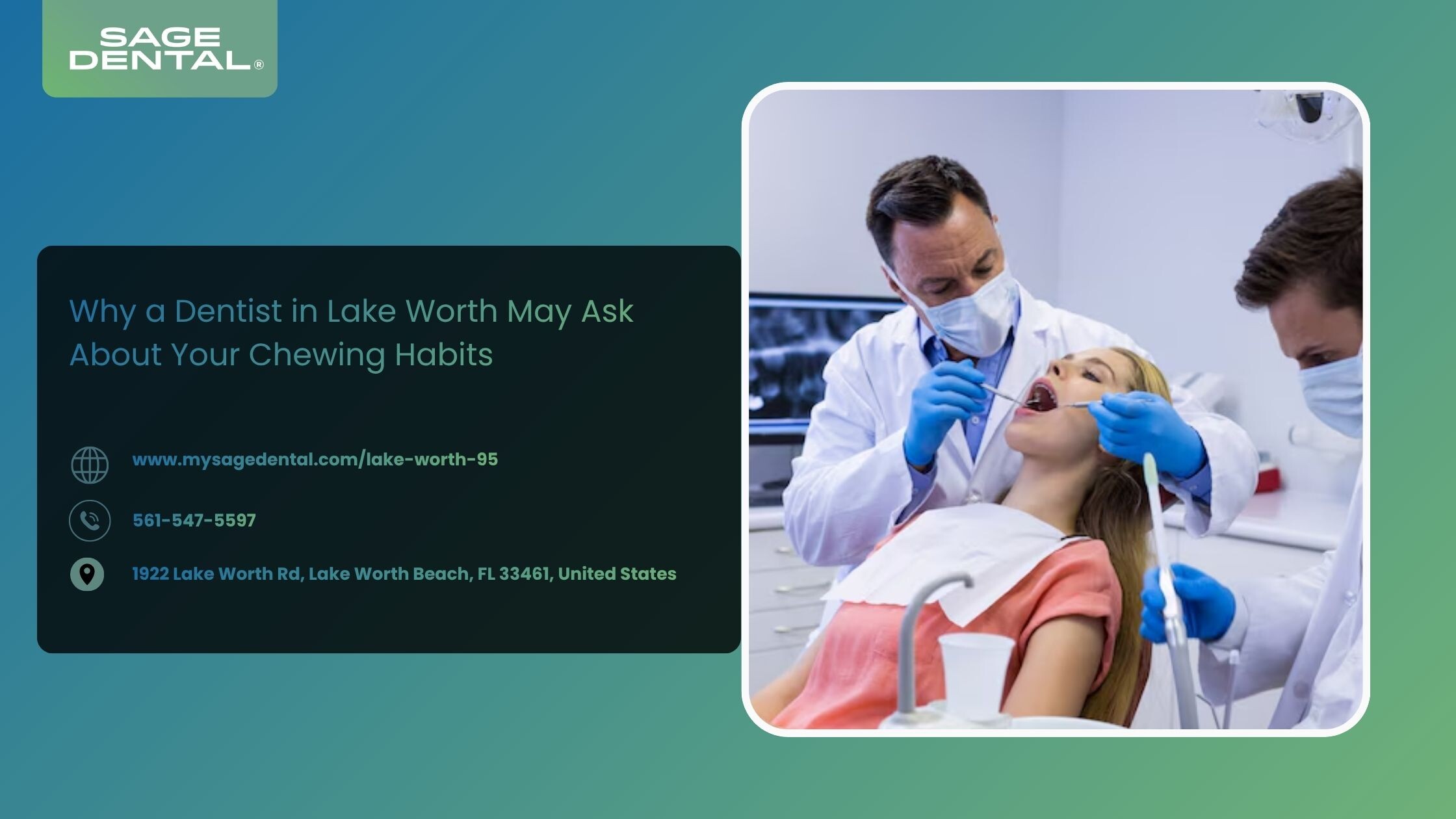
Most people develop a preferred chewing side without choosing it during meals or daily routines. Over time, comfort can shape that preference. Habit can shape it too. Sensitivity may also affect which side feels easier during meals. Missing teeth can change it as well. Earlier dental work can also influence chewing comfort. These changes may happen slowly. So, people may notice them only after they pay closer attention.
Chewing habits can shift when one side feels easier than the other. Even then, using one side does not automatically mean something is wrong. Instead, that pattern can show how the teeth work together during normal meals. During routine care with a dentist in Lake Worth, it can provide useful context. Here we will discuss how chewing habits may add context during a dental examination.
What Can Shape Your Preferred Chewing Side?
Chewing preferences can develop for several everyday reasons. Comfort can affect them. Habit can affect them too. Dental changes can also shape them. So, the following factors from a dental clinic in Lake Worth may explain why one side feels more natural during meals.
1. Comfort Can Shift Your Chewing Pattern
Tooth sensitivity may make one side feel less comfortable during meals. Certain foods can make that difference easier to notice. Temperature can also affect chewing comfort. Pressure may matter as well. So, people may move food toward the other side during meals. Even small changes can shape that pattern over time.
2. Dental Work Can Change How You Chew
Fillings may change how a tooth feels during chewing. Crowns can also affect that feeling. Missing teeth can change chewing comfort too. Other dental work may create a different chewing pattern. Then, a person may favor the other side during meals. Knowing when that preference began can provide useful context during later visits.
3. Repetition Can Turn Into an Unnoticed Habit
Repeated chewing on one side can become an automatic habit. People may continue that pattern without noticing it. They may also continue it without discomfort. Over time, that side can simply feel more natural. Even so, a long-standing habit differs from a recent change. So, timing can help place the pattern in context.
What Can Chewing Habits Tell Your Dentist?
Chewing habits can provide useful context during an examination. They may show that one side feels different during meals. A dentist can then consider that pattern with other findings. So, the habit can help guide questions about recent changes. The following points show what that context may add.
1. It May Highlight Differences in Comfort
Favoring one side may show that chewing feels different between both sides. The difference may relate to comfort. It may also relate to sensitivity during meals. So, the dentist may ask about pressure or temperature. They may also ask about discomfort. That information can help clarify the pattern without treating it as proof of an issue.
2. It Can Add Context to Tooth Wear
Chewing patterns may provide context when certain tooth surfaces show uneven wear. Repeated pressure can affect some areas over time. However, other factors can also shape how teeth wear. So, the family dentist in Lake Worth may review chewing habits with other findings. That broader view can help place tooth wear in context.
3. It May Help Explain a Changing Bite
A new chewing preference may provide context when the bite feels different. The dentist may check how the teeth contact each other. They may also consider chewing comfort during that review. Even then, several factors can affect how teeth come together. So, chewing habits form only one part of the overall picture.
Why Might Your Dentist Ask About Everyday Eating Habits?
Ordinary eating habits can reveal small details that people may not notice themselves. People may favor one side without realizing it. That pattern can become part of daily eating. However, a recent change may provide more useful context than a stable preference. During a visit with a dental office in Lake Worth, that detail can connect daily habits with other findings.
Sensitivity may influence how someone chooses to chew. Dental work may affect it too. Missing teeth can change the pattern as well. Discomfort may also make one side feel easier. However, a chewing preference alone cannot establish a dental condition. Instead, the dentist may consider it with examination findings. They may also review the patient’s dental history. So, everyday chewing habits can add context to normal dental function.
When Is a Change in Chewing Habits Worth Mentioning?
A stable chewing preference may reflect habit or comfort during familiar meals. However, a new pattern may offer useful information about changing comfort. So, certain shifts may be worth mentioning during a routine visit.
You recently started chewing mostly on one side during meals or snacks.
One tooth feels uncomfortable when you chew on it during meals.
You avoid certain foods on one side because chewing there feels less comfortable.
Your chewing pattern changed after dental work, such as a filling or crown.
These changes can offer useful clues without proving that a dental issue exists. Instead, the context may help explain whether habit or comfort shaped the change.
When Small Chewing Changes Become Useful Clues
Everyday chewing habits can provide small details about normal dental function. With a dentist in Lake Worth, that detail may add context during routine visits. Comfort can shape a preferred side. Habit can shape it too. Dental work can change it as well. So, noticing when the pattern changes can help connect daily behavior with examination findings. Even a small shift can give useful context. That, too, can help keep each visit connected with everyday dental function.
