Custom Wax Paper Roll: A Practical Packaging Choice for Modern Food Businesses
Food packaging plays an important role in how customers experience a product. Whether someone purchases a freshly prepared sandwich, a bakery treat, or a takeaway snack, attractive wrapping helps create a positive first impression. Businesses that invest in thoughtful packaging can improve presentation while making their products easier to handle.
Restaurants, cafés, bakeries, and food retailers need wrapping materials that support their daily operations without compromising their visual identity. Flexible packaging solutions are particularly useful because they can accommodate different food sizes and presentation styles while maintaining a consistent appearance.
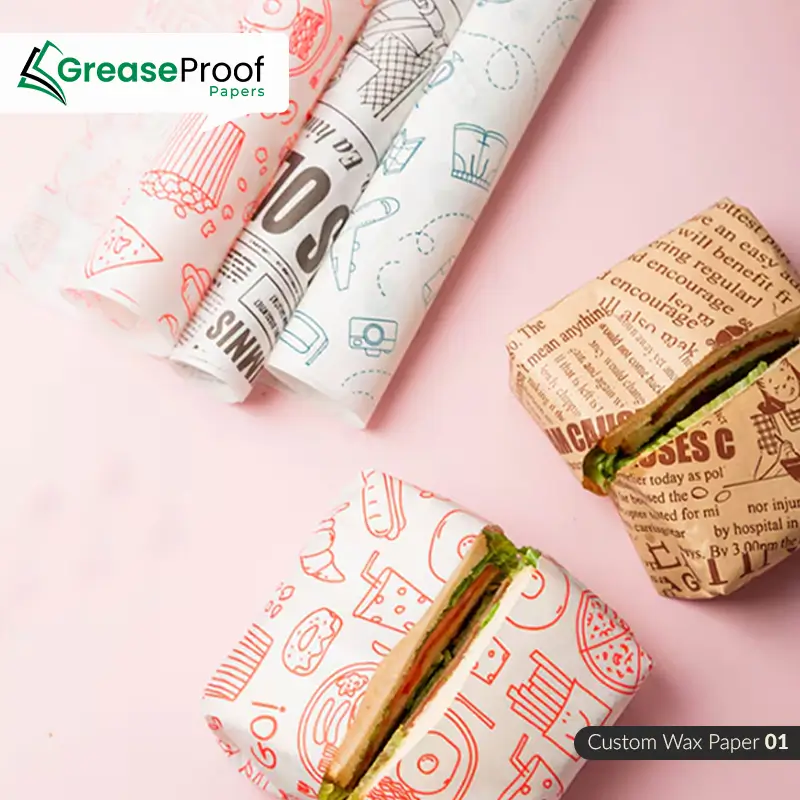
A Custom wax paper roll offers businesses a convenient way to combine personalized branding with practical food wrapping. Available in different designs and specifications, this packaging option can help create a professional presentation while supporting everyday food-service requirements.
The Growing Importance of Personalized Food Wrapping
Packaging is no longer viewed simply as a material used to cover food. It has become an important communication tool that allows businesses to express their identity through colour, design, and presentation.
When customers receive food wrapped in distinctive printed paper, they encounter the brand before taking their first bite. This visual interaction can strengthen recognition and make the overall purchase feel more complete.
Personalized wrapping is especially valuable for businesses operating in competitive food markets. A memorable logo or attractive repeating pattern can help distinguish one establishment from another.
Unlike plain packaging, customized materials also create a consistent visual connection between different products. A bakery can use the same branded design for selected pastries, takeaway treats, and gift presentations, helping customers recognize its products more easily.
Why Roll Packaging Offers Greater Flexibility
Food businesses often handle products that vary considerably in size and shape. Using only pre-cut wrapping sheets may not always provide the flexibility needed for every order.
Roll-format packaging allows staff to cut the required amount of paper according to the product being prepared. This can be particularly convenient for establishments with diverse menus or changing packaging requirements.
For example, a small bakery item may require only a short section of wrapping, while a larger sandwich or food presentation may need considerably more material.
The ability to adjust paper length can help businesses manage their packaging supplies efficiently. It also reduces the need to maintain numerous sheet sizes for different products.
Rolls can be stored near preparation counters or designated packaging stations, allowing employees to access wrapping material whenever necessary.
Choosing a suitable roll width is equally important. Businesses should consider their most frequently packaged products before selecting dimensions for regular use.
Creating Memorable Branding Through Printed Designs
One of the most attractive features of personalized food wrapping is the opportunity to introduce creative brand elements.
Businesses can print logos, slogans, illustrations, decorative patterns, and other visual details that reflect their identity. The design can be simple and understated or colourful and expressive, depending on the desired appearance.
A premium bakery might choose elegant typography and subtle patterns, while a casual takeaway restaurant may prefer bold graphics and energetic colours.
Repeating logo patterns are particularly useful for roll packaging because they help maintain brand visibility across different cutting lengths.
A well-planned design should consider how the paper will appear after folding or wrapping. Important graphics should remain recognizable even when sections of the material are partially concealed.
Using consistent branding across food wrapping, takeaway bags, containers, and other packaging materials can create a stronger overall customer experience.
Selecting the Appropriate Material for Food Packaging
Choosing attractive packaging is important, but material suitability should remain a priority.
Wax-coated paper offers particular handling and barrier characteristics, although its performance depends on the paper construction, coating, and intended application. Businesses should confirm that the selected product is suitable for the foods they plan to package.
Several factors deserve consideration during material selection:
Appropriate food-contact specifications.
Resistance to moisture and grease where required.
Suitable thickness for wrapping and folding.
Print quality and compatibility with the selected finish.
Storage and handling requirements.
Disposal considerations for the finished coated material.
It is also important to distinguish wax paper from parchment paper. These materials are not automatically interchangeable, particularly in applications involving elevated temperatures.
Wax-coated wrapping should not be used in ovens or exposed to direct heat unless the manufacturer explicitly confirms suitability for that purpose.
Selecting the correct material helps businesses maintain reliable packaging practices while achieving their desired presentation.
Improving Efficiency in Busy Food-Service Environments
Fast and organized packaging processes are essential during busy service periods. Employees need materials that are accessible, convenient to handle, and suitable for the products being prepared.
Roll-format wrapping can support an organized workflow when positioned close to preparation and packing areas.
Instead of searching through several packages of differently sized sheets, staff can access a single roll and cut the required amount for each order.
This approach may be particularly useful for sandwich counters, bakeries, delicatessens, and takeaway establishments that prepare products in varying dimensions.
Businesses should also consider using compatible roll dispensers or cutting equipment where appropriate. These accessories can make the wrapping process more consistent and help employees maintain a tidy workspace.
Training staff to use suitable paper lengths can further reduce unnecessary material consumption while preserving an attractive final presentation.
Packaging Applications Beyond Traditional Food Wrapping
Personalized wax-coated paper can contribute to several presentation and packaging activities, depending on its specifications.
It may be suitable for wrapping selected cold food products, separating appropriate items, or adding a decorative layer to packaging arrangements.
Businesses can also use printed paper to enhance the appearance of certain takeaway presentations and promotional food packages.
For seasonal campaigns, limited-edition graphics can create additional interest without requiring an entirely new packaging format. A bakery might introduce festive illustrations, while a café could use a special design for an anniversary promotion.
The flexibility of printed rolls allows businesses to explore different visual themes while maintaining their established brand identity.
However, each application should be assessed against the material's intended use. Direct food contact, temperature exposure, and moisture conditions should always align with the supplier's product specifications.
Finding Reliable Suppliers for Consistent Packaging Quality
Maintaining a dependable packaging supply is essential for businesses that serve customers every day.
When comparing greaseproof paper roll suppliers, businesses should consider more than appearance and initial pricing. Material specifications, printing consistency, available dimensions, and order requirements all contribute to a successful purchasing decision.
Requesting samples before placing a large order can help evaluate paper texture, colour reproduction, coating characteristics, and handling performance.
Businesses should also confirm artwork requirements and production details. Clear communication regarding logo placement, repeat patterns, and colour expectations can reduce misunderstandings during customization.
Other useful considerations include minimum order quantities, estimated production schedules, delivery arrangements, and the availability of repeat orders.
A dependable supplier relationship makes it easier to maintain consistent packaging across different production batches and seasonal purchasing cycles.
Conclusion
Effective food packaging should combine functionality, convenience, and attractive presentation. Personalized roll wrapping offers businesses a flexible solution that can accommodate different product dimensions while supporting recognizable branding.
By selecting suitable materials, developing thoughtful printed designs, and establishing dependable purchasing arrangements, food businesses can improve their everyday packaging experience.
From independent bakeries to busy takeaway restaurants, carefully planned wrapping materials can turn a routine part of food preparation into an opportunity to communicate quality, consistency, and brand identity.