Enhance Your Food Presentation with Custom-Designed Serving Trays
Food presentation is an essential part of creating a positive customer experience. Whether customers are enjoying snacks at a food festival, ordering takeaway meals, or dining at a casual restaurant, the way food is served influences their overall impression. Attractive packaging helps businesses communicate professionalism while making products more convenient to handle.
For restaurants, cafés, food trucks, and catering companies, serving trays offer a practical way to present different menu items. They can accommodate a variety of foods while supporting efficient service. When designed with recognizable colours, logos, and patterns, these everyday packaging products can also become valuable branding tools.
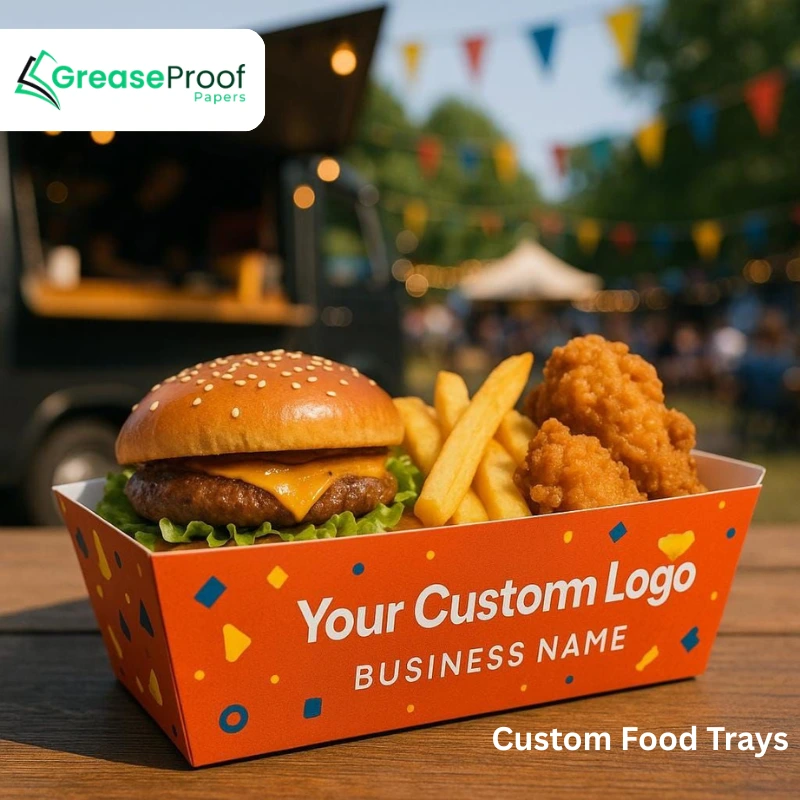
Using Personalized food trays allows businesses to combine practical serving requirements with distinctive visual presentation. Customized designs can help establish a consistent brand identity while making ordinary food packaging look more professional and memorable.
Why Custom Food Trays Matter for Modern Businesses
Packaging plays a significant role in how customers experience food, particularly in takeaway and casual dining environments.
A thoughtfully designed tray creates a more organized presentation and can make different food items easier to serve.
For businesses operating in competitive markets, customized packaging also provides an opportunity to stand out.
Instead of using generic serving materials, restaurants can introduce branded trays that feature their logos, signature colours, or decorative graphics.
These elements help customers associate the packaging with the business behind the meal.
Custom trays are especially useful for food trucks, takeaway counters, festivals, and catering services where packaging remains visible throughout the dining experience.
By combining functionality with visual consistency, businesses can create a stronger connection between their food products and overall brand identity.
Creative Design Ideas for Memorable Food Packaging
An effective tray design should complement the food while reflecting the personality of the establishment.
Some businesses prefer simple layouts featuring a prominent logo and subtle background pattern. Others use colourful illustrations, bold typography, or playful graphics to create a more energetic appearance.
The most suitable approach depends on the brand's target audience and existing visual identity.
For example, a premium dessert business might choose elegant lettering and neutral colours, while a street-food restaurant could introduce vibrant patterns and contrasting graphics.
Logo placement should also be considered carefully.
Because food may cover the centre of a tray, incorporating branding along visible edges or other suitable areas can help maintain recognition during use.
Businesses should review artwork proofs before production to assess colour combinations, graphic positioning, and overall print clarity.
A well-planned design makes packaging attractive without distracting from the meal itself.
Practical Applications Across Different Food Categories
Serving trays are versatile packaging products that can accommodate a wide range of menu items when their dimensions and materials are selected appropriately.
Common applications include:
Serving burgers, sandwiches, and takeaway snacks.
Presenting fries, nachos, and selected side dishes.
Packaging pastries, desserts, and bakery treats.
Organizing food portions at festivals and events.
Supporting casual dining and takeaway service.
Creating coordinated presentations for catering orders.
Different foods may require different tray structures.
Products containing sauces, oils, or substantial moisture may benefit from additional barrier properties, while heavier portions may require stronger materials.
Businesses should evaluate their menu before selecting tray dimensions and construction.
Choosing suitable specifications helps maintain attractive presentation while supporting practical handling during service.
Selecting Materials That Match Your Food Products
Material quality is an important consideration when choosing food trays.
Paperboard and other food-service packaging materials are available in different thicknesses, finishes, and constructions. These characteristics influence strength, appearance, and suitability for particular applications.
Businesses should consider the weight, temperature, and moisture content of the foods they intend to serve.
A lightweight dessert may have different packaging requirements from a substantial meal containing several components.
Food-contact suitability should also be confirmed, including any relevant coatings, inks, or treatments used in the finished tray.
Environmental considerations deserve attention as well.
Recyclability and compostability depend on the complete material construction and available local processing facilities. Businesses should therefore verify relevant product claims rather than relying solely on appearance.
Requesting samples before ordering can help evaluate tray strength, print quality, and practical performance with actual menu items.
Improving Customer Convenience Through Better Tray Design
A successful food tray should make the dining experience more comfortable.
Customers appreciate packaging that is easy to carry, appropriately sized, and suitable for the food being served.
A tray with sufficient depth and structure can help organize food portions, while practical dimensions can reduce unnecessary handling difficulties.
For takeaway establishments, serving convenience is especially important because customers may eat while travelling, attending events, or sitting in informal dining areas.
Businesses should consider how trays will be stored, filled, carried, and disposed of during everyday use.
Testing different designs with actual food products can reveal whether a particular format provides the necessary space and stability.
Packaging that balances attractive presentation with practical convenience contributes to a more positive overall customer experience.
Building Brand Recognition Through Coordinated Packaging
Consistent branding helps customers recognize a business across different purchasing experiences.
A restaurant may use several packaging products throughout the day, including food trays, takeaway bags, wrappers, cups, and boxes.
When these materials share similar colours, typography, and decorative elements, they create a more unified visual identity.
Custom tray designs can reinforce this consistency by displaying familiar graphics alongside the food being served.
Branded packaging may also appear in customer photographs, social media posts, and promotional content, creating additional opportunities for recognition.
Businesses can introduce seasonal designs for holidays, special events, or limited-edition menu collections while maintaining their established logos and signature colours.
This flexibility allows packaging to remain visually interesting without losing its connection to the wider brand.
Combining Serving Trays with Complementary Wrapping Materials
Food trays can become even more versatile when paired with suitable liners and wrapping materials.
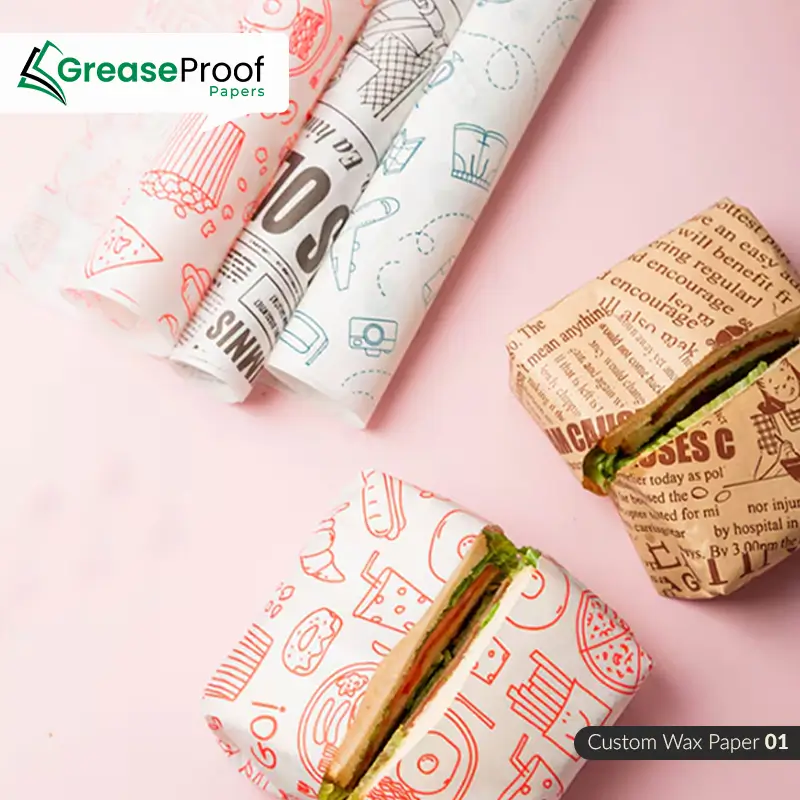
For businesses seeking a coordinated presentation, branded greaseproof paper can complement customized serving trays and introduce additional visual consistency across different menu items.
Depending on its specifications, an appropriate liner may also provide a useful separation layer between selected foods and the serving container.
Businesses should choose materials according to the characteristics of their products, particularly when serving foods containing substantial oil or moisture.
Matching the colours and printed graphics of trays and liners can create a distinctive packaging collection.
Before placing larger orders, businesses should review samples to assess dimensions, print appearance, and compatibility between different packaging components.
Coordinated materials help maintain a professional presentation across dine-in, takeaway, and event-based food service.
Conclusion
Thoughtfully designed serving trays offer food businesses an opportunity to combine practical packaging with attractive visual branding.
By selecting suitable materials, dimensions, and printed designs, restaurants, cafés, food trucks, and catering companies can improve everyday food presentation while supporting customer convenience.
Coordinating trays with other packaging products also helps establish a recognizable identity across different menu categories.
With careful planning and attention to quality, customized serving solutions can transform routine food packaging into a valuable part of the overall customer experience.