When Should a Product Be Packaged in a Rigid Box Instead of a Folding Carton?

Most products that go in a folding carton could technically go in a rigid box, and the reverse is true too. So the real question is never “can it?” but “should it?” That depends on what the box has to do: sit on a shelf, survive a courier, justify a price tag, or make someone feel something when they lift the lid. Here’s how to decide.
First, the basic difference
A folding carton is made from a single layer of printed paperboard that is cut, folded and glued, then shipped flat to your warehouse. A rigid box uses thick chipboard, often 2 to 3 millimeters, covered with a thinner decorative wrap. That structure is several times thicker than carton board, and it’s why a rigid box feels solid in the hand and doesn’t collapse when you squeeze it.
That one difference drives almost everything else: cost, weight, shipping, protection and perceived value.
Choose a rigid box when the product is premium
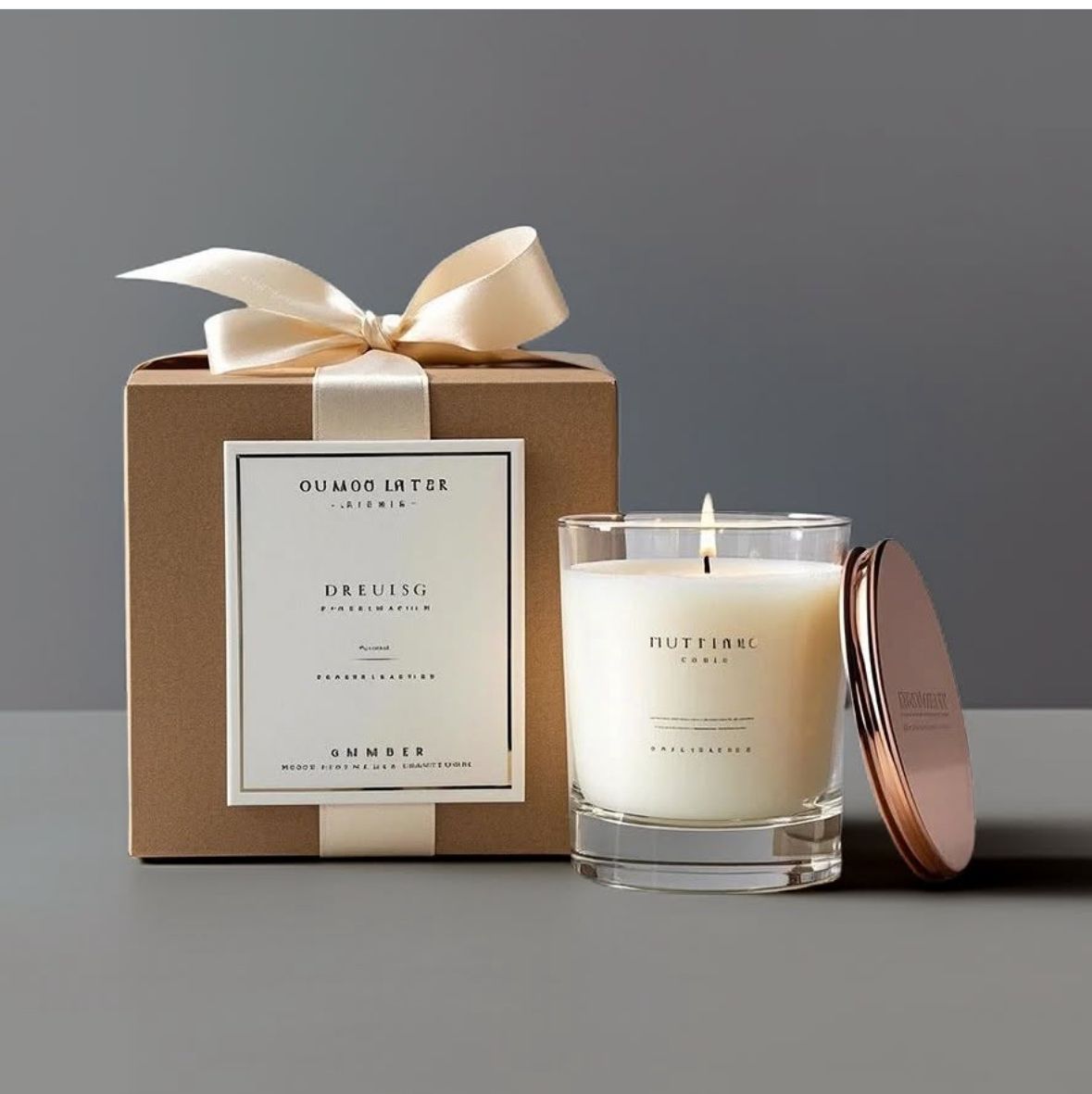
If you’re selling something that people buy partly because of how it feels, rigid packaging earns its cost. Perfume, jewelry, fine spirits, high-end skincare, luxury candles, watches and corporate gift sets are the usual candidates. Rigid packaging tends to signal exclusivity, while folding cartons communicate practicality and accessibility. A shopper picking up a heavy, well-finished box starts judging the product before opening it.
There’s a pricing logic here too. If your product retails for $15, a $4 box doesn’t make sense. If it retails for $120, a box that costs a few dollars and supports that price is a small part of the equation.
Choose a rigid box when the product is fragile or valuable
Thickness buys protection. Heavier or breakable items, such as glass bottles, electronics and ceramics, do much better in a structure that doesn’t buckle. Folding cartons are fine for lightweight goods, but they bend and crush more easily, which makes them a weaker fit for expensive or fragile contents.
If the cost of a damaged product, plus the refund, replacement and a bad review, outweighs the extra cost of the box, the rigid box has already paid for itself.
Choose a rigid box when the unboxing is part of the sale
For gifting, subscription boxes, influencer kits and anything that will be filmed or photographed, the opening moment matters. This is where structure becomes part of the design. A shoulder-and-neck style, for example, has an inner frame between the base and the lid, so lifting the lid reveals a clean wall instead of a raw edge. Rigid Shoulder Neck Boxes with Lid are the style many brands pick for perfumes, spirits and candles because the reveal feels deliberate and refined.
Rigid boxes also keep a second life. People keep them for storage, which means your brand stays on a shelf or dresser long after the product is used up.
Choose a rigid box when your competitors already have
Sometimes the decision isn’t yours alone. If the rest of your category has moved to rigid packaging, a plain carton can make a good product look cheap by comparison. In that case, testing a rigid box on a small run is a reasonable move, and low quantities can be justified for launches, trade shows or key buyer meetings.
Stick with a folding carton when cost and volume rule
Folding cartons are generally the cheaper option, and for good reason: lighter materials and a simpler process. They’re the right answer for:
High-volume retail products where every cent per unit counts
Everyday consumer goods like food, vitamins, toiletries and over-the-counter items
Products that sell on price rather than presentation
Tight schedules, since rigid boxes usually take longer to produce
Storage-limited operations, because cartons ship and store flat while rigid boxes arrive already assembled and take up far more space
That last point is easy to overlook. Freight and warehousing for pre-built boxes can add a surprising amount to the total, so compare the delivered cost, not the quote per box.
Don’t ignore sustainability
Rigid boxes are generally harder to recycle than folding cartons because of the layered construction, with paper wrap glued onto board. If your brand makes environmental claims, ask your supplier about recyclable wraps, water-based adhesives and FSC-certified board, or consider whether a well-designed carton fits your values better.
The middle ground
You’re not stuck choosing between extremes. A few options sit in between:
Upgraded folding cartons. With a heavier board, a double layer, soft-touch lamination, foil or embossing, a carton can look surprisingly premium for a fraction of the price.
Collapsible rigid boxes. These fold flat for shipping and snap into shape, which solves the freight problem.
Stock-size rigid boxes with a custom label or sleeve. This gets you much of the feel without custom tooling.
Rigid for gifting only. Use cartons for everyday sales and a rigid edition for holidays or limited collections.
A simple way to decide
Ask yourself five questions:
Does the retail price comfortably support a more expensive box?
Is the product fragile, heavy or high-value?
Will customers give or receive this as a gift?
Is the unboxing moment part of your marketing?
Can your budget and warehouse handle pre-assembled boxes?
If you answered yes to three or more, rigid is probably worth pricing out. If most answers are no, a good folding carton will serve you better.
Final thoughts
Rigid boxes aren’t automatically better, and folding cartons aren’t automatically cheap-looking. The right choice is the one that fits your product’s value, your customer’s expectations and your margins. If you’re weighing the options for a specific item, ask for samples of both before committing, since seeing and holding them side by side settles the debate faster than any spec sheet. Premier Rigid Boxes and other suppliers can usually send mockups so you can compare structure, finish and cost side by side before placing a full order.